Clean air is fundamental to health. Yet breathing clean air remains a challenge for millions of Americans in 2026. Despite decades of progress under the Clean Air Act, nearly half of all Americans now live in areas with failing air quality grades.
The latest data reveals troubling trends. Wildfires, extreme heat, and industrial emissions continue pushing pollution levels higher in certain regions. Understanding which states face the biggest challenges helps you make informed decisions about your health and home environment.
How We Measure Air Quality
Air quality experts primarily track PM2.5 levels. These fine particulate matter particles measure less than 2.5 micrometers in diameter. That makes them 30 times smaller than a human hair.
PM2.5 particles come from vehicle exhaust, industrial emissions, wildfire smoke, and agricultural dust. They penetrate deep into your lungs and enter your bloodstream. This triggers asthma attacks, heart problems, and premature death.
The World Health Organization recommends keeping annual PM2.5 levels below 5 µg/m³. The EPA strengthened its standard in 2024, lowering the acceptable annual limit from 12.0 µg/m³ to 9.0 µg/m³.
The 10 States With the Worst Air Quality
Based on annual average PM2.5 concentration data, these states rank as the most polluted in America:
1. California (11.7 µg/m³)
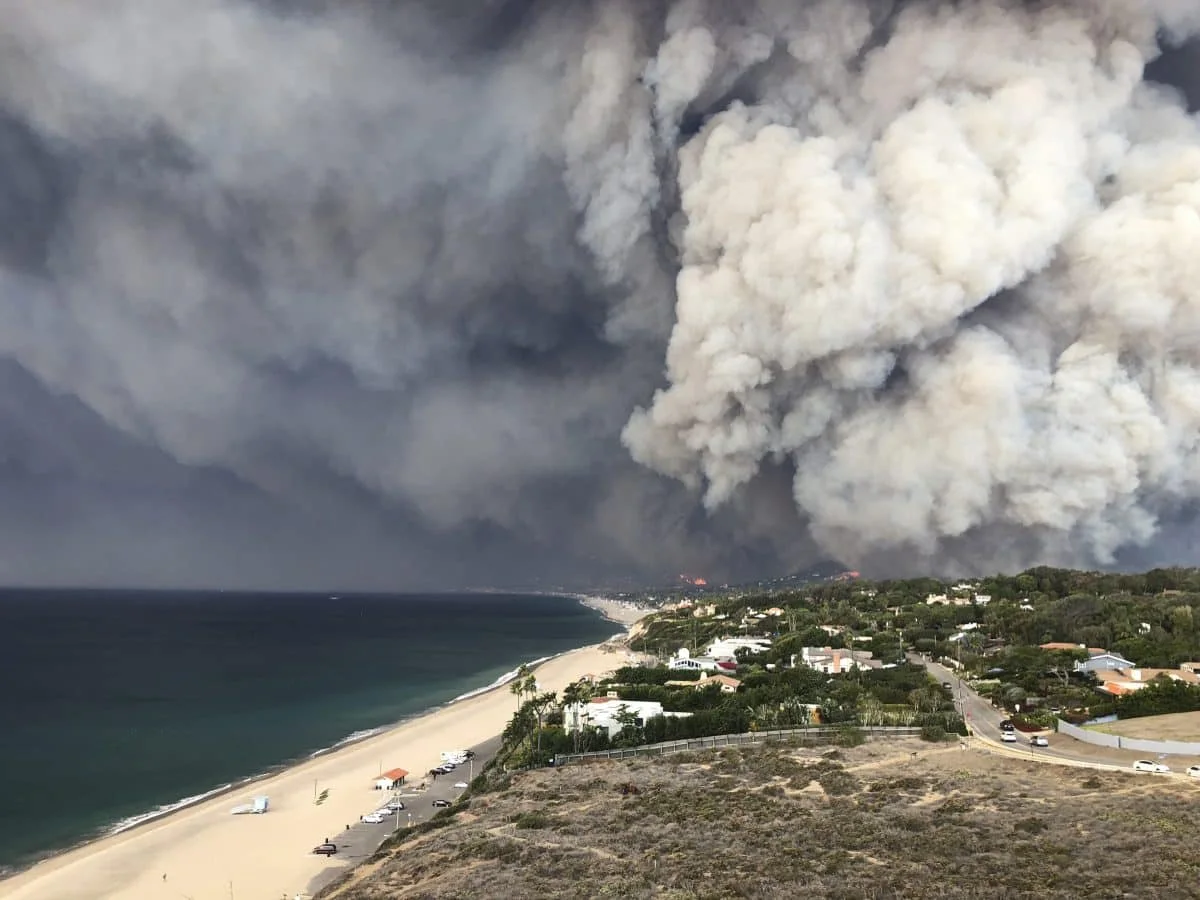
Source: Ben Watkins via AP.
California suffers the worst air quality nationwide. The state combines massive population density with heavy industrial activity and frequent wildfires. The result creates a perfect storm for pollution.
Eighty-eight percent of Californians live in areas with unhealthy air quality. Major ports in Los Angeles and Long Beach generate massive diesel truck traffic. The Central Valley traps agricultural dust and vehicle emissions between mountain ranges.
Wildfire season now extends nearly year-round. Smoke from these fires carries PM2.5 particles across the entire state and beyond.
2. Pennsylvania (11.0 µg/m³)
Pennsylvania ranks second worst for air quality. The state hosts numerous coal-fired power plants and heavy manufacturing facilities. Pittsburgh and Philadelphia metro areas concentrate vehicle emissions from millions of commuters.
The Appalachian geography traps pollutants in valleys. This creates inversions that hold dirty air close to the ground for days.
3. Michigan (10.4 µg/m³)
Michigan’s industrial heritage continues impacting air quality today. The Detroit metro area generates significant vehicle and factory emissions.
Lake effect weather patterns sometimes trap pollutants over urban centers.
4. Illinois (10.3 µg/m³)
Chicago’s massive transportation hub status creates pollution challenges. The city handles more rail freight than any other U.S. city.
Diesel locomotives and trucks create concentrated emissions. Industrial facilities along Lake Michigan add to the burden.
5. Ohio (9.8 µg/m³)
Ohio’s manufacturing sector and coal power plants drive poor air quality. The Ohio River Valley concentrates industrial activity. Cities like Cleveland and Cincinnati face ongoing ozone and particle pollution challenges.
6. Delaware (9.7 µg/m³)
Delaware’s small size belies serious air quality problems. The state sits downwind of major East Coast pollution sources. Industrial facilities along the Delaware River contribute to local emissions.
7. Indiana (9.5 µg/m³)
Indiana ranks among the worst states for air quality. Heavy manufacturing and coal power generation dominate the state’s economy. The Indianapolis metro area faces vehicle emission challenges similar to larger cities.
8. Texas (9.4 µg/m³)
Texas combines oil and gas production with massive urban sprawl. The Houston metro area hosts the nation’s largest petrochemical complex. Dallas-Fort Worth and San Antonio add millions of vehicles to Texas roads.
Recent wildfires in the Texas Panhandle have added seasonal pollution spikes. Climate change promises more extreme weather and worse air quality for the Lone Star State.
9. Georgia (9.2 µg/m³)
Georgia faces serious air quality challenges, particularly in the Atlanta metro area. The city’s sprawling development creates heavy traffic emissions. Hot summer temperatures cook these pollutants into dangerous ground-level ozone.
Wildfires within Georgia and from neighboring states increasingly impact air quality. Controlled burns meant to prevent larger wildfires actually increase mortality rates from smoke exposure.
In April 2025, federal regulators exempted Georgia Power’s coal plants from emission regulations. This rollback threatens to worsen already poor air quality.
10. Arizona (8.7 µg/m³)
Arizona rounds out the ten worst states for air quality. Phoenix ranks among the most polluted cities in America. The Valley of the Sun suffers from vehicle emissions, dust storms, and extreme heat.
At Salas Heating & Air, we work daily with Arizona families struggling with poor outdoor air quality.
The latest indoor air quality statistics show that outdoor pollution significantly impacts indoor environments. We recommend air purifier solutions for homes in high-pollution areas.
Why These States Struggle With Air Quality
Several common factors unite these ten worst-performing states:
- High population density creates concentrated vehicle emissions
- Industrial activity generates factory and power plant pollution
- Geographic features trap pollutants in valleys and basins
- Climate conditions cook pollutants into dangerous ozone
- Wildfire exposure adds seasonal particle pollution spikes
The American Lung Association’s State of the Air report found that 156 million Americans breathe unhealthy air. That represents 46% of the population, an increase of 25 million people from the previous year.
Health Impacts of Poor Air Quality
Living in these states with poor air quality creates real health risks. Short-term exposure to high PM2.5 levels triggers asthma attacks and heart problems. Long-term exposure reduces lung function and shortens lifespans.
The health effects hit vulnerable populations hardest. Children, elderly adults, and people with existing lung conditions face the greatest risks.
People of color are 2.3 times more likely than white populations to live in areas with failing air quality grades.
How to Protect Yourself in High-Pollution States
You cannot control outdoor air quality. You can control your indoor environment. Here are practical steps for residents of the worst states for air quality:
Monitor Air Quality Daily
Check the Air Quality Index (AQI) before outdoor activities. The EPA’s AirNow website provides real-time data for every zip code.
Avoid strenuous outdoor exercise when AQI exceeds 100.
Create Clean Indoor Spaces
Your home should provide refuge from outdoor pollution. Quality air purifiers with HEPA filters capture PM2.5 particles before they reach your lungs.
We recommend placing units in bedrooms and main living areas.
Keep windows closed on high-pollution days. Run your HVAC system with high-quality filters rated MERV 13 or higher. Regular filter changes maintain system efficiency.
Address Specific Pollution Sources
Different regions face different pollution challenges. In wildfire-prone areas like California, create a “clean room” with sealed windows and dedicated air filtration.
In industrial regions like Pennsylvania, avoid outdoor activity during morning and evening rush hours when pollution concentrates.
At Salas HVAC, we help Arizona residents select HEPA filtration systems appropriate for desert dust and urban pollution. The right air purifier placement maximizes effectiveness.
The Cleanest States for Air Quality
Not every state struggles with pollution. The cleanest states provide a stark contrast to the worst performers:
- Wyoming (4.1 µg/m³) – Sparse population and vast open spaces
- Hawaii (4.7 µg/m³) – Ocean winds and limited industrial activity
- New Hampshire (5.0 µg/m³) – Forested landscapes and strict regulations
- South Dakota (5.7 µg/m³) – Low population density
- Alaska (5.9 µg/m³) – Remote location and clean winds
Only three states meet WHO air quality guidelines. The remaining 47 states exceed the 5 µg/m³ threshold for healthy air.
FAQs
What state has the worst air quality in America?
California ranks as the state with the worst air quality, averaging 11.7 µg/m³ of PM2.5 pollution. This exceeds the WHO guideline by more than double and surpasses the EPA’s new 9 µg/m³ standard.
Which states have the best air quality?
Wyoming, Hawaii, and New Hampshire boast the cleanest air in America. These states average PM2.5 levels below or near the WHO’s 5 µg/m³ guideline. Sparse populations and geographic isolation help maintain clean air.
How does poor air quality affect health?
PM2.5 particles penetrate deep into lungs and enter the bloodstream. They cause asthma attacks, heart attacks, strokes, and premature death. Long-term exposure reduces lung function in children and shortens lifespans for all ages.
Can air purifiers help in high-pollution states?
Yes. Quality air purifiers with true HEPA filters capture 99.97% of particles 0.3 microns and larger. They significantly reduce indoor PM2.5 levels even when outdoor air quality is poor.
Why is air quality getting worse?
Climate change drives worsening air quality through multiple mechanisms. Extreme heat creates more ground-level ozone. Drought conditions increase dust and wildfire risk. Wildfire smoke now reaches nearly every state, creating pollution spikes thousands of miles from fire sources.
What is the EPA’s new PM2.5 standard?
In February 2024, the EPA strengthened the annual PM2.5 standard from 12.0 µg/m³ to 9.0 µg/m³. This change aims to prevent 4,500 premature deaths annually. However, the standard faces legal challenges and potential rollback.
Final Thoughts
Clean air is fundamental to health. Yet air quality varies dramatically across America. Residents of the ten worst states face daily exposure to pollution levels that threaten long-term health. Understanding your local air quality empowers you to take protective action.
While policy debates continue, your individual action matters:
- Monitor your local air quality.
- Invest in proper indoor filtration.
- Support clean air policies in your community.
If you have questions about your home’s air quality, reach out any time.
Breathe easy,
Michael
Sources
American Lung Association. (2025, April 23). State of the Air 2025.
https://www.lung.org/media/press-releases/state-of-the-air-2025
Environmental Protection Agency. (2024). National Ambient Air Quality Standards (NAAQS) for PM.
https://www.epa.gov/pm-pollution/national-ambient-air-quality-standards-naaqs-pm
IQAir. (2025). 2024 World Air Quality Report.
https://www.iqair.com/world-air-quality-report
Visual Capitalist. (2025). Mapped: The Best and Worst U.S. States for Air Quality.
https://www.visualcapitalist.com/best-and-worst-u-s-states-for-air-quality/
World Health Organization. (2021). WHO global air quality guidelines: particulate matter (PM2.5 and PM10), ozone, nitrogen dioxide, sulfur dioxide and carbon monoxide
https://www.who.int/publications/i/item/9789240034228