Ozone has a sharp, distinctive scent that most people recognize even if they can’t name it. The smell of Ozone is often described as crisp, clean, or electric.
Many compare it to chlorine bleach or the fresh air after a thunderstorm.
Humans can detect ozone at low concentrations and some people can smell it at levels as low as 0.05 parts per million (ppm). This sensitivity serves as a natural warning system since ground-level ozone can harm your respiratory system.
How to Describe the Ozone Smell
Ozone smell perception varies from person to person. What smells sharp to one person might smell clean or metallic to another.
Here’s how most people describe ozone:
- Like chlorine bleach
- Fresh after a storm
- Electric or metallic
- Sharp and pungent
- Sterile or clinical
Your ability to detect ozone depends on your individual sensitivity.
Genetic factors and previous exposure history influence how strongly you perceive the smell.
Why You Smell Ozone After Thunderstorms
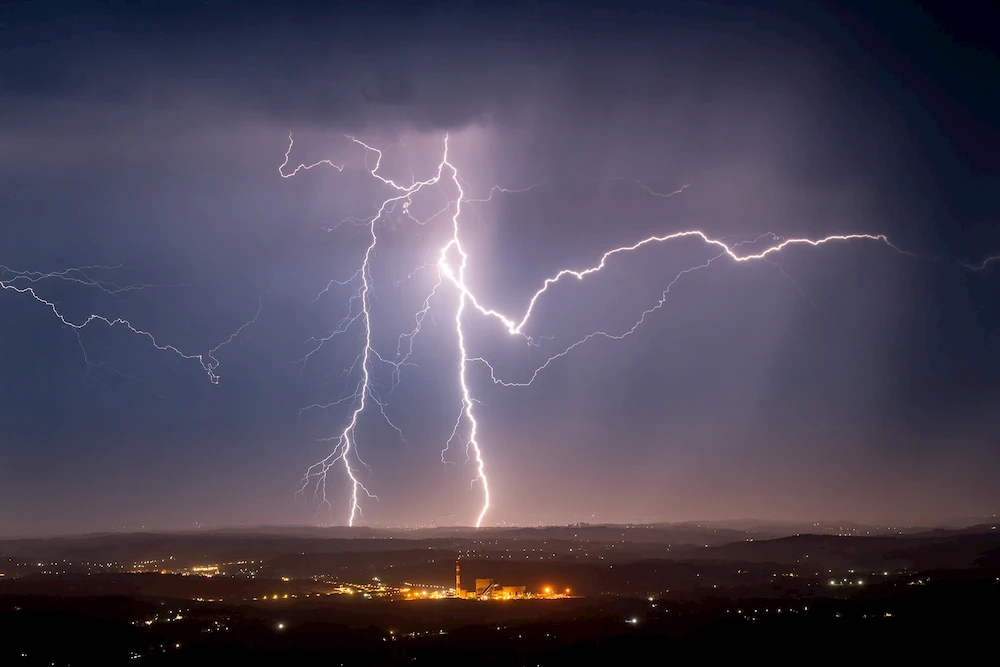
Lightning creates ozone through a dramatic chemical reaction. When a lightning bolt tears through the atmosphere, it heats the air to extreme temperatures.
This splits oxygen molecules (O2) into single oxygen atoms. These free atoms quickly recombine with intact oxygen molecules to form ozone (O3).
The electrical discharge from lightning mimics the same process used in commercial ozone generators. This explains why both natural thunderstorms and man-made electrical equipment produce identical smells.
That fresh, clean scent you notice after storms isn’t from rain itself. You’re smelling ozone molecules that lightning created moments before. The smell drifts to ground level with air currents following the storm.
Ozone molecules are unstable. They break down relatively quickly, which is why the smell fades within hours after a storm passes. The ozone either reacts with other materials or naturally degrades back into regular oxygen.
Where You Encounter Ozone Smell
Natural Sources
- Thunderstorms and lightning: The most common natural source. Lightning strikes produce small but noticeable amounts of ground-level ozone.
- High altitudes: Mountain climbers and pilots sometimes detect faint ozone at higher elevations. Atmospheric ozone is more concentrated in the upper atmosphere where it forms the protective ozone layer that shields Earth from harmful UV radiation.
- Beaches and ocean air: People often mistake the fresh ocean smell for ozone. The actual smell comes from dimethyl sulfide and other chemicals from seaweed and marine life. Victorian-era doctors incorrectly attributed health benefits of seaside air to supposed ozone content.
- Sunlight reacting with pollutants: On hot, sunny days in urban areas, sunlight causes chemical reactions between volatile organic compounds (VOCs) and nitrogen oxides. These reactions form ground-level ozone, contributing to smog.
Home Appliances
- Photocopiers and laser printers: The electrical discharge inside these machines produces small amounts of ozone. You might notice the smell near office equipment that’s been running for extended periods.
- Some air purifiers and ionizers: Devices marketed as ionizers or using corona discharge technology generate ozone. Manufacturers often label this as creating “activated oxygen” or “negative ions.”
- Ozone generators: These devices deliberately produce high ozone concentrations for odor removal in unoccupied spaces. They should never run while people or pets are present.
- Malfunctioning electrical equipment: Overheating wires, faulty outlets, or electrical arcs create ozone. If you smell ozone near electrical devices without an obvious source, check for overheating or damaged components.
- Electric motors and transformers: High-voltage equipment can produce ozone through electrical discharges during normal operation.
How to Identify If You’re Smelling Ozone
If you’re not sure whether you’re smelling ozone, consider these factors:
Time and place: Did you just experience a thunderstorm? Are you near electrical equipment? Is it a hot, sunny day in an urban area?
Smell characteristics: Does it smell like bleach, electrical sparks, or that post-storm freshness? Ozone has a very specific scent profile that differs from other common household odors.
Intensity: Can you smell it throughout your house or just near certain devices? Localized smells usually come from specific equipment. Widespread smells might indicate outdoor ozone entering through windows.
Persistence: Does the smell fade within a few hours or stick around? Ozone breaks down relatively quickly when it’s not being continuously generated.
Other household smells sometimes get confused with ozone:
- Natural gas: Smells like rotten eggs
- Mold and mildew: Musty, damp, earthy smell
- Electrical burning: Acrid smoke smell, different from ozone’s clean scent
- Cleaning products: Chemical smells that don’t have ozone’s sharp quality
Trust your instincts. If the smell concerns you or seems to come from electrical equipment, investigate the source. Safety matters more than positive identification.
Is Ozone Smell Dangerous
The smell itself won’t harm you. Ozone becomes a health concern based on concentration and exposure duration.
Low levels of ozone might smell noticeable without causing immediate harm.
Higher concentrations that create a strong smell can damage your respiratory system.
Ozone is a powerful oxidant. Think of it like household bleach. Bleach kills germs by destroying their cell walls. Ozone attacks living cells the same way.
When you breathe ozone, it damages the tissue lining your airways.
The California Air Resources Board and California Department of Health Services specifically advise against using ozone generators in occupied spaces.
These devices can emit unsafe ozone levels even when marketed for air purification or allergy relief.
Health Symptoms of Ozone Exposure
Short-term ozone exposure can cause:
- Coughing and throat irritation
- Chest pain or tightness when breathing deeply
- Shortness of breath
- Wheezing
- Worsening of asthma symptoms
- Increased susceptibility to respiratory infections
- Reduced lung function
These symptoms typically resolve within hours after leaving the ozone-contaminated area.
People at higher risk include:
- Children and teenagers
- Adults with asthma or other respiratory diseases
- People working or exercising outdoors
- Older adults
- People with COPD, emphysema, or bronchitis
Long-term exposure to elevated ozone levels has been linked to new-onset asthma in children and increased respiratory problems in adults.
Safe vs Unsafe Ozone Levels
The EPA sets air quality standards to protect public health.
The current national standard is 0.070 ppm measured over 8 hours. Many people can smell ozone at 0.05 ppm, which is below the standard but still detectable.
When outdoor air quality reports indicate “unhealthy” ozone levels, people in sensitive groups should limit outdoor activities.
Indoor ozone levels should remain minimal. Your HVAC system with proper filtration helps keep outdoor ozone from entering your home.
How to Remove Ozone Smell from Your House
If you detect ozone smell indoors, take these steps:
- Identify the source
- Ventilate immediately
- Wait before re-entering
- Check air quality
- Inspect electrical systems
- Use odor absorbers
Ozone Generators and Indoor Air Quality
Some manufacturers sell ozone generators claiming they purify indoor air or eliminate odors. These devices deliberately create high ozone concentrations.
The EPA and most health organizations warn against using them in occupied spaces.
Ozone doesn’t actually clean your air. It reacts with other chemicals and odor molecules, temporarily masking smells. This chemical reaction can create new indoor air pollutants that may be just as harmful as the original contaminants.
Marketing claims about “energized oxygen” or “activated air” typically refer to ozone production. If an air purifier mentions producing ions, it likely generates ozone.
At Salas HVAC, we help homeowners choose effective air purification systems that don’t create ozone. We focus on proven filtration methods that protect your health and improve indoor air quality.
Better alternatives for improving indoor air quality include:
- True HEPA filters that capture particles without creating ozone
- Activated carbon filters
- Proper ventilation with outdoor air when outdoor air quality is good
- Source control by removing pollutants at their origin
FAQs
Can ozone smell make you sick?
The smell itself won’t harm you, but if ozone is strong enough to smell throughout your home, the concentration might be high enough to irritate your respiratory system. Symptoms include coughing, throat irritation, and chest discomfort.
How long does ozone smell last after a storm?
Ozone created by lightning typically dissipates within 30 minutes to a few hours after a storm passes. The molecules break down naturally or react with other materials in the air. The smell fades as ozone levels drop.
Is ozone the same as smog?
Ozone is the main ingredient in smog but not the same thing. Smog is a visible haze containing ozone, particulate matter, and other pollutants. Ozone itself is an invisible gas. You can have high ozone levels without visible smog on clear, sunny days.
Do all air purifiers create ozone?
HEPA filters and most mechanical filters don’t produce ozone. Ionizers, electrostatic precipitators, and devices using UV light or corona discharge may create ozone as a byproduct.
Why do some people like the ozone smell?
Many associate the scent with cleanliness because ozone forms after storms and near water treatment facilities. Victorian-era beliefs about ozone’s health benefits created positive associations that persist today.
Is the ozone smell stronger in certain seasons?
Ground-level ozone forms more readily in warm, sunny weather. Summer and early fall typically have the highest ozone levels in most U.S. cities.
Sources
Airdog USA. (2025). What Does Ozone Smell Like.
https://airdogusa.com/blogs/articles/what-does-ozone-smell-like
American Lung Association. (2025). Ozone.
https://www.lung.org/clean-air/outdoors/what-makes-air-unhealthy/ozone
California Air Resources Board. (2025). Ozone and Health.
https://ww2.arb.ca.gov/resources/ozone-and-health
California Air Resources Board. (2025). What Is Ozone?
https://ww2.arb.ca.gov/resources/fact-sheets/what-ozone/printable/print
U.S. Environmental Protection Agency. (June 13, 2025). Health Effects of Ozone and Particulate Matter. https://www.epa.gov/advance/health-effects-ozone-and-particulate-matter
U.S. Environmental Protection Agency. (March 13, 2025). Health Effects of Ozone Pollution. https://www.epa.gov/ground-level-ozone-pollution/health-effects-ozone-pollution