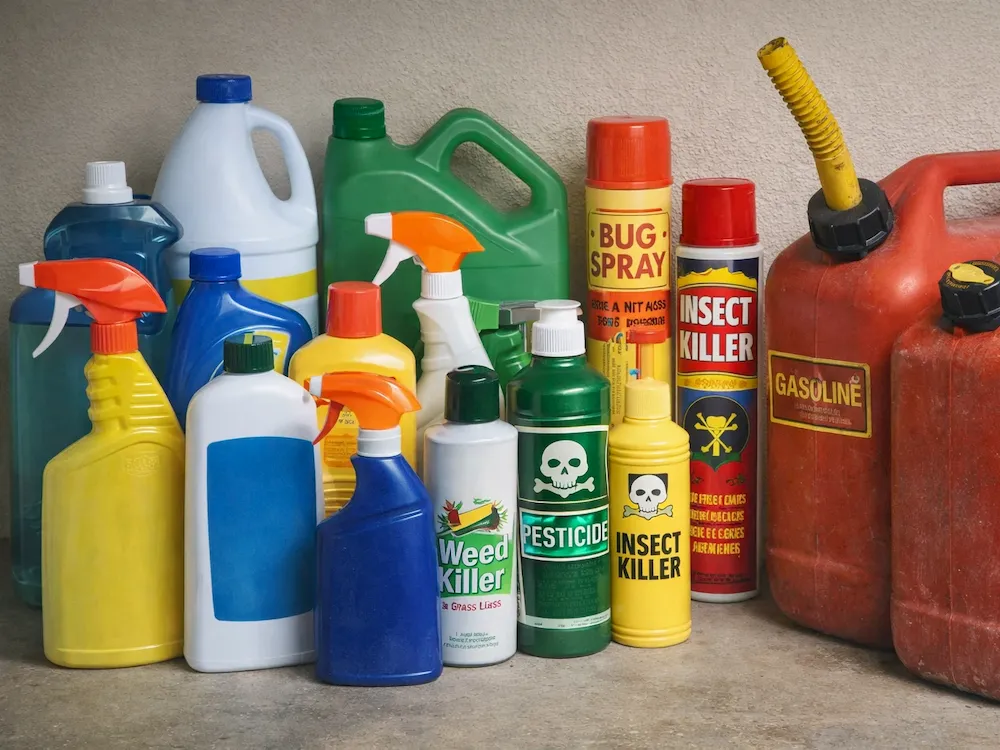
Volatile organic compounds (VOCs) from furniture, paint, and cleaning products release toxic gases into your indoor air for months or even years after purchase.
These volatile organic compounds cause headaches, dizziness, and respiratory irritation, yet most homeowners don’t realize their new couch or fresh paint job is making them sick.
This guide reveals exactly where VOCs hide in your home and how to protect your family from their effects.
What Are Volatile Organic Compounds?
VOCs are gases emitted from certain solids or liquids at room temperature. These carbon-based chemicals evaporate easily, allowing them to travel through your air and into your lungs.
The EPA identifies thousands of products that release VOCs, making them one of the most widespread indoor air quality threats.
Concentrations of many VOCs run two to five times higher indoors than outdoors. During activities like paint stripping, levels can spike to 1,000 times outdoor background levels.
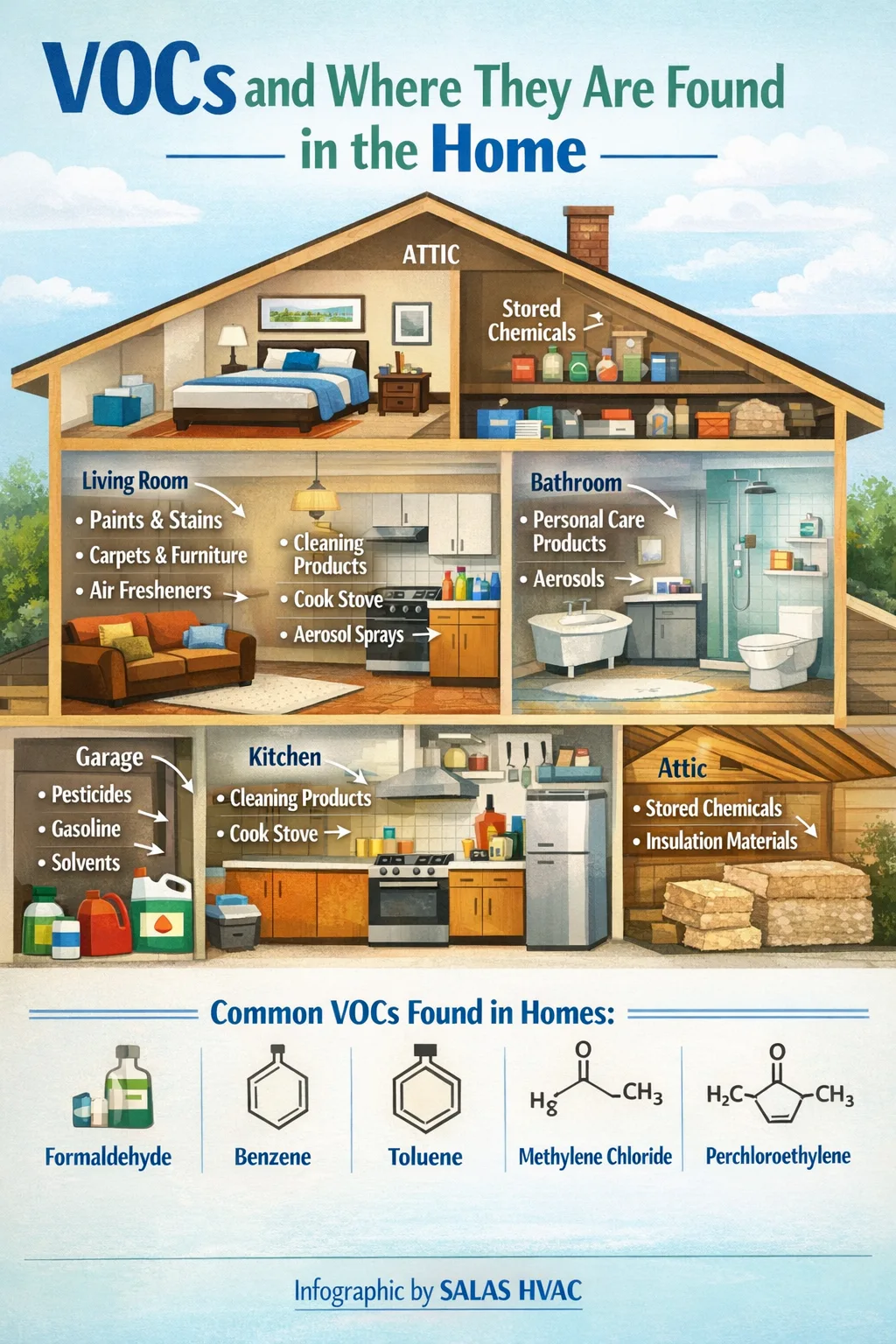
Common VOCs found in homes include:
- Formaldehyde (preservative in building materials)
- Benzene (fuel component and tobacco smoke)
- Toluene (paint and solvent ingredient)
- Methylene chloride (paint stripper component)
- Perchloroethylene (dry cleaning chemical)
Building Materials and Furnishings
Your home’s structure and contents release VOCs continuously, especially when new.
Paint and Finishes
Conventional paints, varnishes, and wood stains emit VOCs during application and for months afterward. Oil-based products release higher levels than water-based alternatives.
Even “low-VOC” paints contain some volatile compounds.
Fresh paint can off-gas for weeks, releasing solvents that cause headaches and dizziness.
Always ventilate painted rooms thoroughly and consider zero-VOC alternatives for interior spaces.
Pressed Wood Products
Particleboard, plywood, and medium-density fiberboard (MDF) contain formaldehyde-based resins that bind wood fibers. These products emit formaldehyde gas continuously, with highest levels in the first year after manufacturing.
Common pressed wood items include:
- Cabinetry and shelving
- Subflooring and furniture
- Decorative paneling
- Office furniture
The American Lung Association recommends choosing solid wood or exterior-grade pressed wood, which uses phenol resins instead of urea-formaldehyde, when possible.
Carpeting and Flooring
New carpet releases VOCs from adhesives, backing materials, and stain-resistant treatments. Synthetic flooring materials like vinyl and laminate also off-gas chemicals.
These emissions peak during the first few weeks after installation.
Household Products and Cleaners
Everyday products you use to clean, maintain, and freshen your home contribute significantly to VOC levels.
Cleaning and Disinfecting Products
All-purpose cleaners, disinfectants, and degreasers contain organic solvents that evaporate during use. Aerosol sprays disperse these chemicals more widely than liquid applications. Even “green” or “natural” cleaners may release VOCs.
The EPA recommends using integrated pest management techniques to reduce pesticide needs and choosing cleaning products with minimal VOC content.
Air Fresheners and Deodorizers
Plug-in air fresheners, sprays, and scented candles release fragrance chemicals continuously. These products mask odors rather than removing them, adding VOCs to your air instead of cleaning it.
For genuine odor removal, use activated carbon filters which adsorb odor molecules without adding chemicals.
Pesticides and Hobby Supplies
Stored pesticides, insecticides, and rodenticides emit VOCs even when sealed.
Arts and crafts supplies including glues, paints, markers, and solvents release high levels of volatile compounds during use.
Personal Care and Lifestyle Sources
Your daily routines and personal items contribute to indoor VOC levels.
Cosmetics and Grooming Products
Nail polish, nail polish remover, hair sprays, and perfumes contain VOCs that evaporate quickly.
These products release chemicals directly into your breathing zone during application.
Tobacco Smoke
Environmental tobacco smoke contains benzene and numerous other VOCs. Smoking indoors creates persistent pollution that settles into fabrics, walls, and furnishings.
Secondhand smoke exposure causes immediate symptoms including eye irritation, headaches, and respiratory distress.
Dry-Cleaned Clothing
Perchloroethylene, the primary dry-cleaning solvent, remains in clothing after cleaning. This known animal carcinogen off-gasses from garments stored in closets and when worn.
The EPA recommends refusing dry-cleaned items that smell strongly of chemicals and airing out others before wearing.
Combustion and Fuel Sources
Burning materials and stored fuels release significant VOC concentrations.
Heating and Cooking Appliances
Gas stoves, wood-burning fireplaces, and kerosene heaters emit VOCs during combustion. These sources also produce carbon monoxide and particulate matter.
Ensure proper ventilation when operating combustion appliances and consider upgrading to efficient systems where possible.
Stored Fuels and Automotive Products
Gasoline, motor oil, and automotive chemicals stored in attached garages or basements release benzene and other VOCs. These chemicals seep into living spaces through walls and doorways.
Store automotive products in detached sheds or well-ventilated areas away from living spaces.
Office Equipment and Electronics
Your home office equipment contributes to VOC loads.
Printers and Copiers
Laser printers and photocopiers release ozone and VOCs during operation. Carbonless copy paper and correction fluids contain solvents that evaporate at room temperature.
Position office equipment away from seating areas and ensure adequate ventilation in home office spaces.
Health Effects of VOC Exposure
VOCs cause both immediate symptoms and long-term health damage.
Short-Term Effects
- Eye, nose, and throat irritation
- Headaches and dizziness
- Nausea and vomiting
- Fatigue and confusion
- Allergic skin reactions
- Difficulty breathing
Long-Term Consequences
- Liver and kidney damage
- Central nervous system impairment
- Cancer
- Memory impairment and visual disorders
The EPA notes that individual sensitivity varies widely. Some people experience severe symptoms at low concentrations while others tolerate higher levels without apparent effects.
How to Reduce VOC Exposure in Your Home
Source Control Strategies
- Choose low-VOC products: Select paints, finishes, and building materials labeled low-VOC or zero-VOC
- Buy limited quantities: Purchase only what you need for immediate projects
- Proper storage: Keep chemicals in well-ventilated areas away from living spaces
- Safe disposal: Remove unused products promptly through hazardous waste collection programs
Ventilation Improvements
Increase fresh air exchange when using VOC-emitting products:
- Open windows and use exhaust fans
- Run kitchen and bathroom ventilation during and after product use
- Consider whole-house ventilation systems for continuous air exchange
Air Purification Solutions
Standard HEPA filters do not capture gaseous VOCs. You need specialized filtration:
- Activated carbon filters: Adsorb VOC molecules through chemical attraction
- Photocatalytic oxidation: Breaks down VOCs using UV light and catalysts
- Whole-house systems: Integrate with central air purification for comprehensive protection
FAQs
How can I test for VOCs in my home?
Professional indoor air quality testing measures specific VOC concentrations. DIY test kits provide general readings but lack precision. If you experience persistent symptoms without identifiable cause, professional testing reveals whether VOCs are the culprit.
Do air purifiers remove VOCs?
Standard HEPA filters capture particles but not gases. You need activated carbon filtration to adsorb VOCs. Look for air purifiers specifically designed for chemical and odor removal with substantial carbon filters.
How long do VOCs off-gas from new products?
Off-gassing duration varies by product and VOC type. Paint may emit for weeks, while pressed wood products release formaldehyde for years. Higher temperatures and humidity accelerate off-gassing rates.
Are “natural” or “green” products VOC-free?
Not necessarily. Many natural products contain organic compounds that qualify as VOCs. Essential oils, citrus solvents, and plant-based cleaners release volatile chemicals. Always check labels for specific VOC content rather than assuming “natural” means safe.
Can plants remove VOCs from indoor air?
Research on plant-based VOC removal shows limited effectiveness. While some plants absorb small amounts of certain chemicals, you would need hundreds of plants to impact indoor air quality measurably. Mechanical ventilation and filtration remain more reliable solutions.
Protecting Your Family from VOC Exposure
VOCs hide in plain sight throughout your home. Every painted wall, piece of furniture, and cleaning product contributes to your indoor chemical burden. The good news: you control these sources.
Start by identifying the highest-emitting products in your home. Replace them with low-VOC alternatives when possible. Increase ventilation during activities that release VOCs. And invest in proper air purification systems to capture what you cannot eliminate.
At Salas HVAC we help identifying VOC sources and install whole-house filtration systems.
Breathe easy,
Michael
Sources
U.S. Environmental Protection Agency. “Volatile Organic Compounds’ Impact on Indoor Air Quality.” https://www.epa.gov/indoor-air-quality-iaq/volatile-organic-compounds-impact-indoor-air-quality
American Lung Association. “Volatile Organic Compounds.”
https://www.lung.org/clean-air/indoor-air/indoor-air-pollutants/volatile-organic-compounds