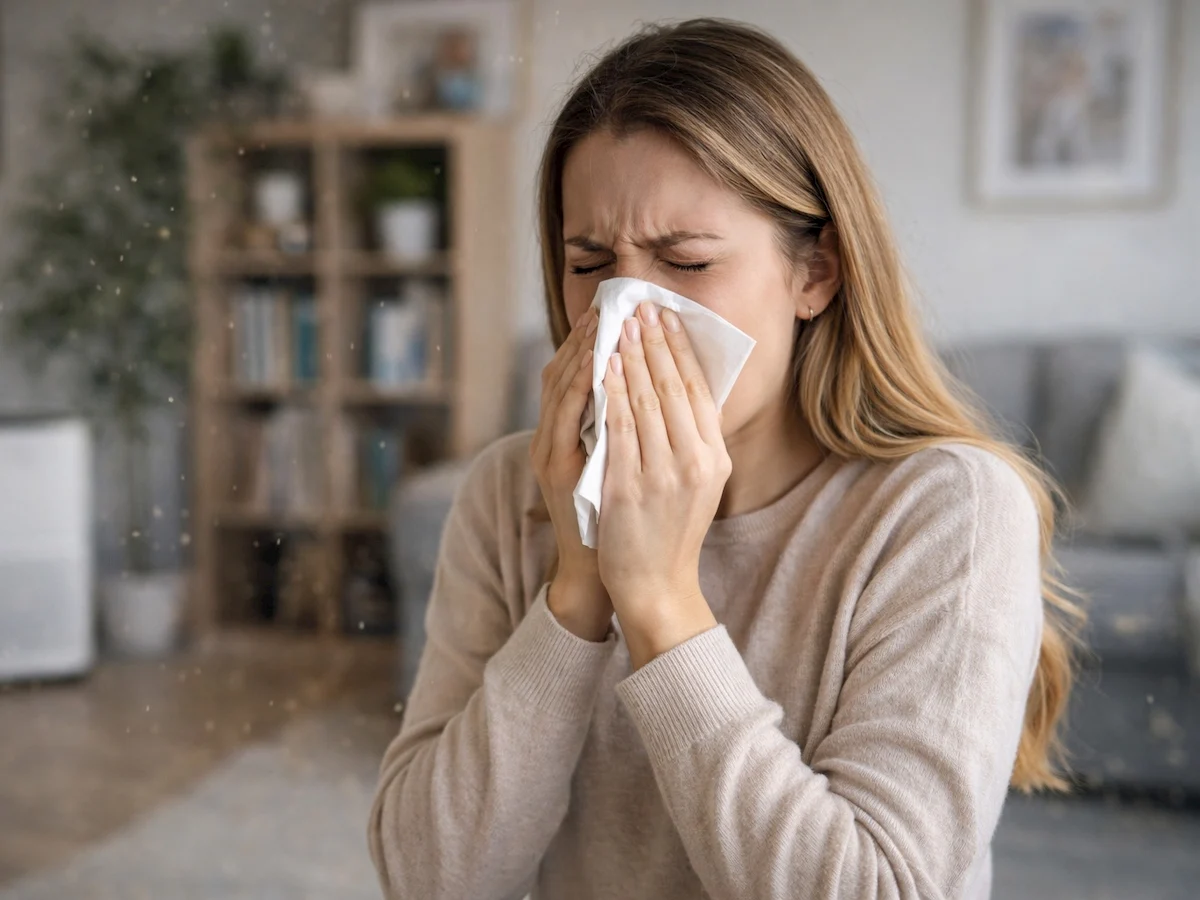
You might assume your home’s air is fine if you can’t see smoke or smell anything strange, but indoor air typically contains two to five times more pollutants than outdoor air. Do you need an air purifier to protect your family?
We have seen the difference proper air purification makes for families dealing with allergies, respiratory issues, and persistent odors. This guide reveals the seven signs that indicate you need an air purifier and explains how to choose the right system for your situation.
How Air Purifiers Actually Work
Air purifiers draw air through multiple filtration stages to remove contaminants. A quality unit typically includes:
1. Pre-filter: Captures large particles like dust and hair
2. HEPA filter: Traps 99.97% of particles down to 0.3 microns
3. Activated carbon filter: Adsorbs odors, gases, and VOCs
This multi-stage approach addresses different pollutant types. Unlike ionizer air purifiers that simply displace particles, true air purifiers physically remove contaminants from your environment.
The EPA confirms that concentrations of organic pollutants are two to five times higher indoors than outdoors. These pollutants come from cleaning products, furniture, cooking, and outdoor air infiltration.
Do I Need an Air Purifier? 7 Warning Signs
1. Persistent Allergy Symptoms
Constant sneezing, itchy eyes, and runny noses often signal poor indoor air quality. If allergy symptoms persist year-round or worsen at home, airborne allergens are likely the culprit.
Common indoor allergens include:
- Dust mites and their waste products
- Pet dander from cats, dogs, and other animals
- Pollen tracked in from outside
- Mold spores from damp areas
A HEPA filter system captures these particles before they trigger symptoms. Many of our Arizona customers report significant relief within days of installing proper air purification.
2. Respiratory Issues
Recurring asthma attacks, bronchitis flare-ups, or chronic coughing indicate your air contains irritants. Smoke particles, mold spores, and chemical fumes aggravate respiratory conditions.
Children and elderly family members face higher risks. Their developing or aging lungs cannot handle pollutant exposure as effectively as healthy adults. If anyone in your household has breathing difficulties, air purification becomes essential rather than optional.
3. Lingering Odors That Won’t Go Away
Cooking smells, pet odors, musty basements, and chemical fumes that persist for days signal air quality problems. These odors indicate volatile organic compounds (VOCs) and other pollutants circulating through your home.
Activated carbon filters absorb odor-causing molecules. Unlike air fresheners that mask smells, carbon filtration actually removes them. If you find yourself constantly lighting candles or spraying air fresheners, you need an air purifier instead.
4. Visible Dust Accumulation
Excessive dust on furniture, floating particles in sunlight, or frequent dusting needs suggest high particulate levels. Dust contains skin cells, fabric fibers, pollen, and microscopic debris that irritates airways.
While regular cleaning helps, it cannot address airborne particles. An air purifier continuously filters dust from circulation, reducing the burden on your respiratory system and cutting down on housekeeping.
5. Mold Growth or Musty Smells
Visible mold spots, musty odors, or damp areas in bathrooms and basements indicate mold problems. Mold releases spores that trigger allergies and respiratory issues when inhaled.
Air purifiers with HEPA filters capture airborne mold spores, preventing them from spreading throughout your home. However, purifiers complement rather than replace moisture control. You still need to address humidity issues and clean existing mold growth.
6. You Live in High-Pollution Areas
Certain locations expose residents to elevated pollutant levels:
- Wildfire zones: Smoke and ash infiltrate homes even with windows closed
- Urban areas: Traffic emissions and industrial pollution seep indoors
- Agricultural regions: Pesticides and dust create seasonal air quality issues
- Construction zones: Particle matter from building activities affects nearby homes
If your outdoor environment contains high pollutant levels, your indoor air likely suffers too. Proper sealing plus effective air purification creates a healthy indoor sanctuary.
7. Poor Sleep Quality
Waking up congested, experiencing nighttime coughing, or feeling unrested despite adequate sleep hours suggests airborne irritants disrupt your rest. Allergens and pollutants trigger inflammation that interferes with deep sleep cycles.
Many customers report improved sleep within a week of adding bedroom air purification. Cleaner air means fewer nighttime disruptions and more restorative rest.
Who Benefits Most from Air Purifiers?
While everyone breathes easier with clean air, certain groups see dramatic benefits:
| Group | Specific Benefits |
| Families with children | Protects developing lungs, reduces asthma triggers |
| Pet owners | Controls dander and pet-related odors |
| Allergy sufferers | Reduces pollen, dust, and mold exposure |
| Smokers or vaping households | Removes particulates and chemical residues |
| Elderly residents | Supports vulnerable respiratory systems |
| Wildfire-prone areas | Filters smoke particles during season |
Choosing the Right Air Purifier for Your Needs
Not all air purifiers deliver equal performance. Consider these factors when selecting a unit:
Room Size Coverage
Match the purifier’s CADR (Clean Air Delivery Rate) to your room dimensions. An undersized unit cannot clean the air effectively. Calculate your room’s square footage and choose accordingly.
Filter Quality
Look for true HEPA filters, not “HEPA-type” alternatives. True HEPA captures 99.97% of 0.3-micron particles. Lower-grade filters miss smaller pollutants.
Noise Levels
Bedroom units should operate quietly on low settings. Check decibel ratings before purchasing. Many quality units run at whisper-quiet levels during sleep hours.
Maintenance Requirements
Factor in filter replacement costs and frequency. Some units require monthly pre-filter cleaning. Others need annual HEPA replacements. Understand ongoing costs before committing.
At Salas HVAC, we can assess your home and recommend the best approach for your specific situation and budget.
FAQs
How do I know if my air quality is bad without professional testing?
Watch for the signs listed above: persistent allergies, odors, visible dust, and respiratory symptoms. You can also purchase inexpensive indoor air quality monitors that measure particulate levels. If readings consistently exceed EPA guidelines, you need purification.
How long should I run my air purifier each day?
Run your purifier continuously for best results. Modern units use minimal electricity on low settings. If noise concerns you, run the unit on high during the day and low at night. Consistent operation maintains clean air rather than playing catch-up.
Do I need multiple air purifiers for my home?
Ideally, yes. Each room needs its own coverage with portable units. Alternatively, a whole-home system purifies air throughout your house using your existing ductwork. We can help you determine the most cost-effective approach for your layout.
The Bottom Line
If you recognize any of the seven signs above, you likely need an air purifier. The health benefits, improved sleep, and reduced cleaning burden justify the investment for most households.
At Salas HVAC, we help Arizona families breathe easier every day. Clean air is not a luxury.
Breathe easy,
Michael